

Technology and compounds
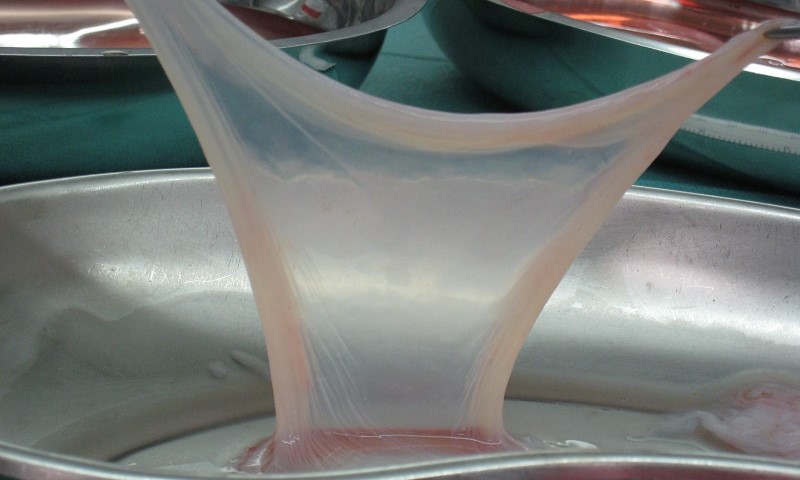
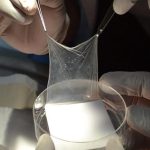
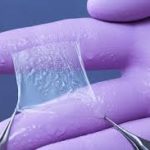
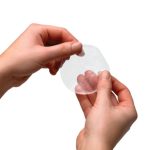
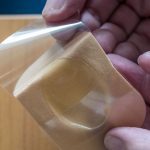
Amniotic membrane–derived biological dressings are essentially allografts / ECM scaffolds that, depending on the processing method, are supplied either as dehydrated sheets or in fresh form. These products preserve part of the biological repair signaling essential for tissue regeneration.
Performance and mechanism of action
- Epitheliotropic effects and accelerated surface healing: The amniotic membrane provides a basement‑membrane‑like substrate and reduces the inflammatory microenvironment, thereby accelerating epithelial cell migration and proliferation and promoting faster closure of superficial defects.
- Inflammation modulation: The amniotic membrane and its derivatives can suppress inflammation through multiple pathways, such as reducing pro‑inflammatory signaling and limiting infiltration of inflammatory cells.
- Anti‑fibrotic and anti‑scarring effects: One of the key clinical values of the amniotic membrane is its ability to reduce scar formation and support regenerative healing. This effect is mainly achieved by inhibiting pro‑fibrotic pathways and suppressing fibrosis.
- Anti‑angiogenic properties and regulation of angiogenesis: In sensitive tissues such as the cornea, the amniotic membrane inhibits pathological neovascularization.
- Barrier effect, pain reduction, and local protection: The amniotic membrane acts as a protective barrier, reducing friction and limiting contact between irritants and superficial nerves. This helps alleviate pain and creates a stable environment for tissue repair.
Duration and mode of effect
The therapeutic effect of biological dressings lasts approximately 3 to 7 days, depending on the type of wound. Their self‑recovering/self‑maintaining properties reduce the need for frequent dressing changes, allowing treatment to proceed with minimal intervention.
Applications and uses
Suitable for chronic wounds, superficial and deep burns, diabetic ulcers, post‑surgical wounds, pressure ulcers, and cervical lesions. In advanced medical centers, these dressings are also used as an alternative option for temporary skin grafting.
Key advantages
- Significant acceleration of wound healing
- Reduced risk of infection
- Improved patient comfort and pain reduction
- High biocompatibility
- Ready‑to‑use ECM scaffold for regeneration
- Simultaneous anti‑inflammatory, anti‑fibrotic, and anti‑angiogenic effects
- Versatile processing and storage capabilities