
Origin and extraction
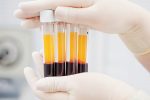
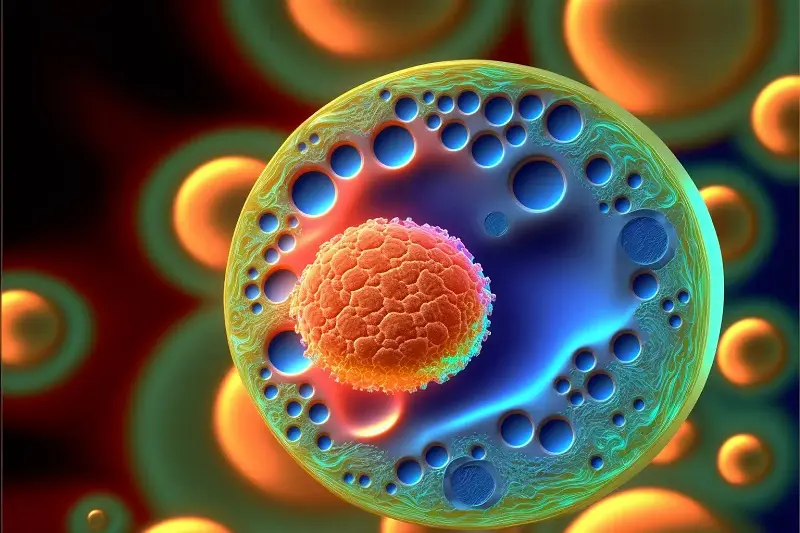
Mesenchymal stem cells are isolated from umbilical cord tissue through a non‑invasive and painless process performed in a sterile environment and in full compliance with international protocols. Compared with other sources (such as bone marrow or adipose tissue), these cells are genetically younger, more metabolically active, and possess a significantly higher regenerative capacity.
Biological properties and performance
Mesenchymal stem cells can differentiate into bone, cartilage, muscle, and neural tissues. By secreting anti‑inflammatory and growth factors, releasing extracellular vesicles, and modulating the local microenvironment, they guide damaged tissues toward physiological regeneration. They play a key role in reducing inflammation, stimulating angiogenesis, and improving the functional recovery of injured tissues.
Cell purification and culture technology
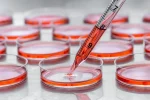
At Novacell, cells are produced using state‑of‑the‑art isolation, purification, and culture technologies under tightly controlled conditions. All processes are conducted in accordance with GMP (Good Manufacturing Practice) standards and under strict supervision to ensure cell quality, viability, and biological functionality.
Therapeutic applications
Mesenchymal stem cells have been used or are under clinical research for conditions such as osteoarthritis, diabetes, cardiovascular diseases, liver disorders, autoimmune diseases, multiple sclerosis (MS), and spinal cord injuries. In addition, within the field of aesthetic medicine and skin regeneration, they are recognized as one of the most promising anti‑aging therapies.